Sorry – I’m not talking commitment! I don’t have a problem with commitment, just saying, but that’s not what we’re talking about today. This is a knitting blog after all! The “C” word we’re talking about is “crochet”. Now before all you knitters hit your back button on your browsers, stick around for a little bit and read a paragraph or two. For some strange reason, a large group of knitters seem to think that crochet is a bad word. It’s like there’s a competition between knitting and crocheting and you can only do one or the other. Knitters, I’m not picking on you, it works vice versa as well. Well, I’m going to try and set that straight – it might not happen with just one article, but you have to start somewhere.
Now I have a personal preference to articles that are knitted and to knitting itself, but I also know how to crochet – at least the basics of it. I am definitely more comfortable with knitting needles in my hands, but a crochet hook is a good friend to every knitter on the planet. Learning the basics of crocheting will only help to improve your knitting skills, regardless of what level you are currently at. Here are a few definite advantages you will gain if you get used to creating with one hook as well as two needles:
- Manual dexterity increase – The manipulation of a crochet hook with your hand requires a little more flexibility than you need with knitting needles, but once you get used to it you’ll realize that your hands are are more dexterous and you can do tasks more easily with your fingers as well. This will help you when doing a variety of things knitting and non-knitting related.
- Options Increase – You will find that you have increased the variety of options you have with your knitted garments. When doing a vest or sleeveless top for example, you will be able to do a single crochet chain around the armholes for a smaller, less constrictive edging. You can also do more decorative or stylish finishes on garments using the same or different fibers. You can lengthen a garment with a crochet stitch and a different (or similar fiber) AFTER it’s been knit from the bottom to the top.
- Continental Knitting – becomes much easier. Since Continental knitting is very similar to crocheting, you’ll find learning this technique to be much easier. This will also help you with your Traditional knitting as well and once you know both, you can do fair aisle with one color in each hand, making the work easier.
- Colorwork – Changing colors while crocheting is as easy as putting down one and taking up the other – much like joining a new ball of yarn in knitting. You’ll probably find that you’re using more colors and being far more creative with crocheting than you were with your knitting because of this.
- Simplifying knitting techniques – some techniques in knitting are easier when done with a crochet hook instead of a knitting needle, like casting off stitches, picking up and/or changing dropped/errant stitches, and picking up stitches around an edge or neckline. Once you get the hang of manipulating a crochet hook, you’ll find more and more uses for it in your knitting and make your life that much easier.
These are just a few of the advantages of crocheting, and there are more. I’m not trying to convince you to become a crocheter, I won’t before they find a way to crochet cables as elegantly as when knitted, but it may be something you look into to expand your horizons a little bit. If you’re a little curious, or are even a seasoned crocheter, here’s a link to Theresa’s blog that will get you going or increase your knowledge on the art of crocheting.
I hope you have a great time hooking!
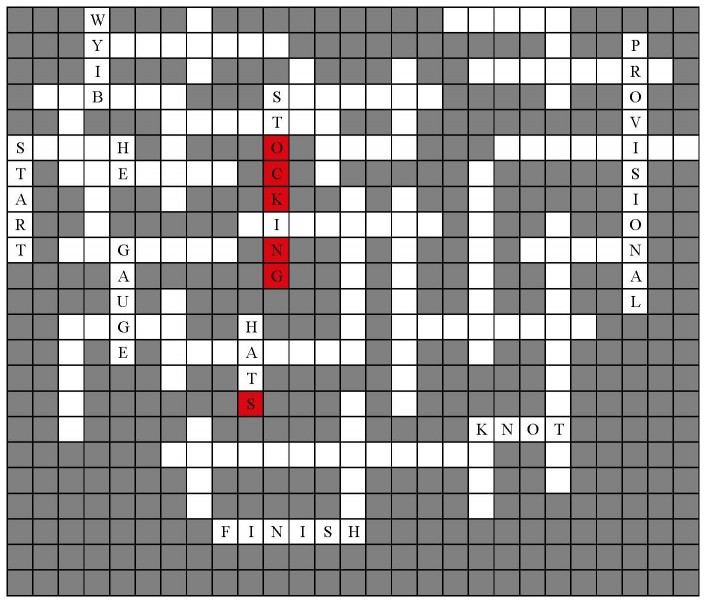
Oh, here’s two more clues to the crossword – and BTW, there still isn’t a winner from the St. Patrick’s Day post contest …
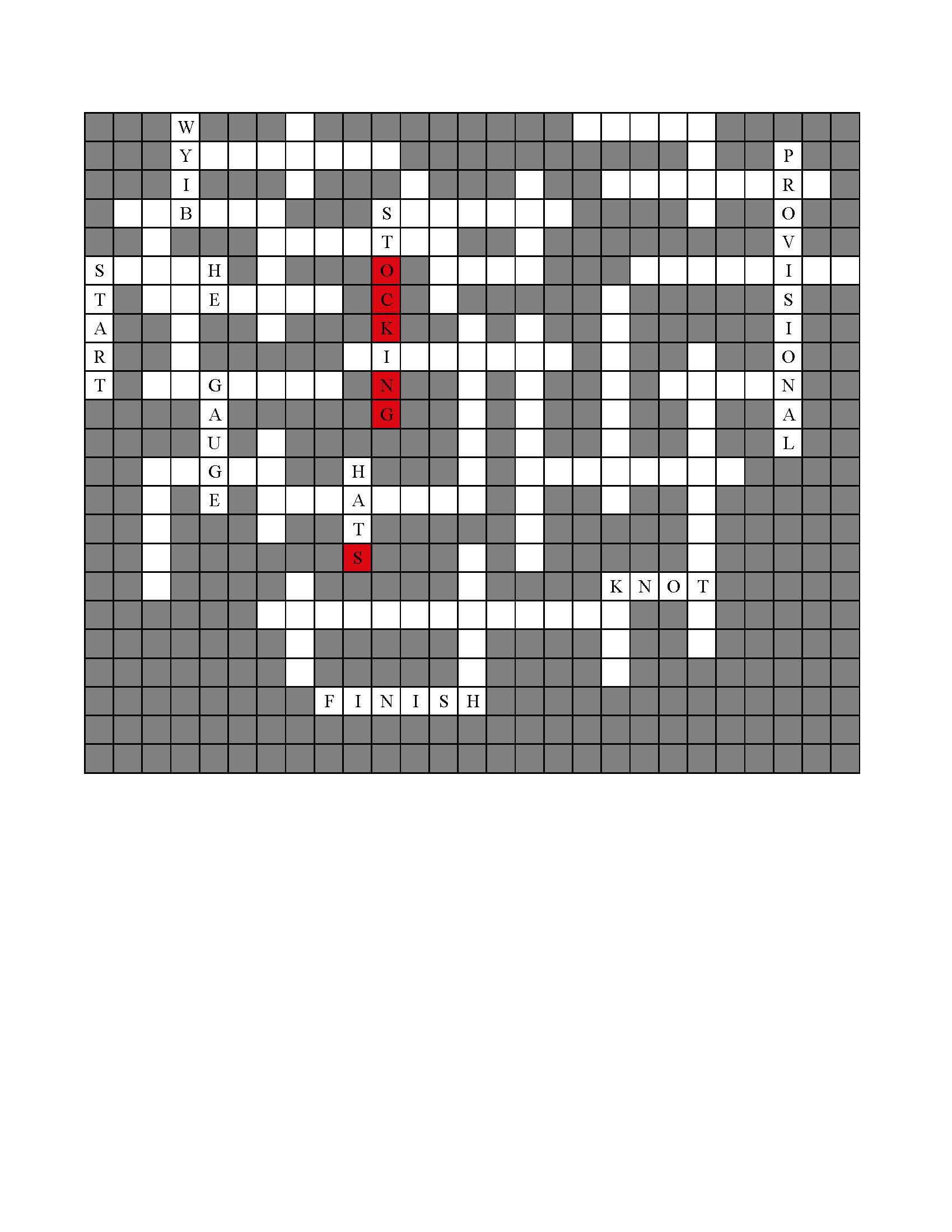
Two more words filled in ... are you close to finishing?
Okay, another bonus clue – clue #27 starts with a “Q” – think polar!
Hugzzz 😎